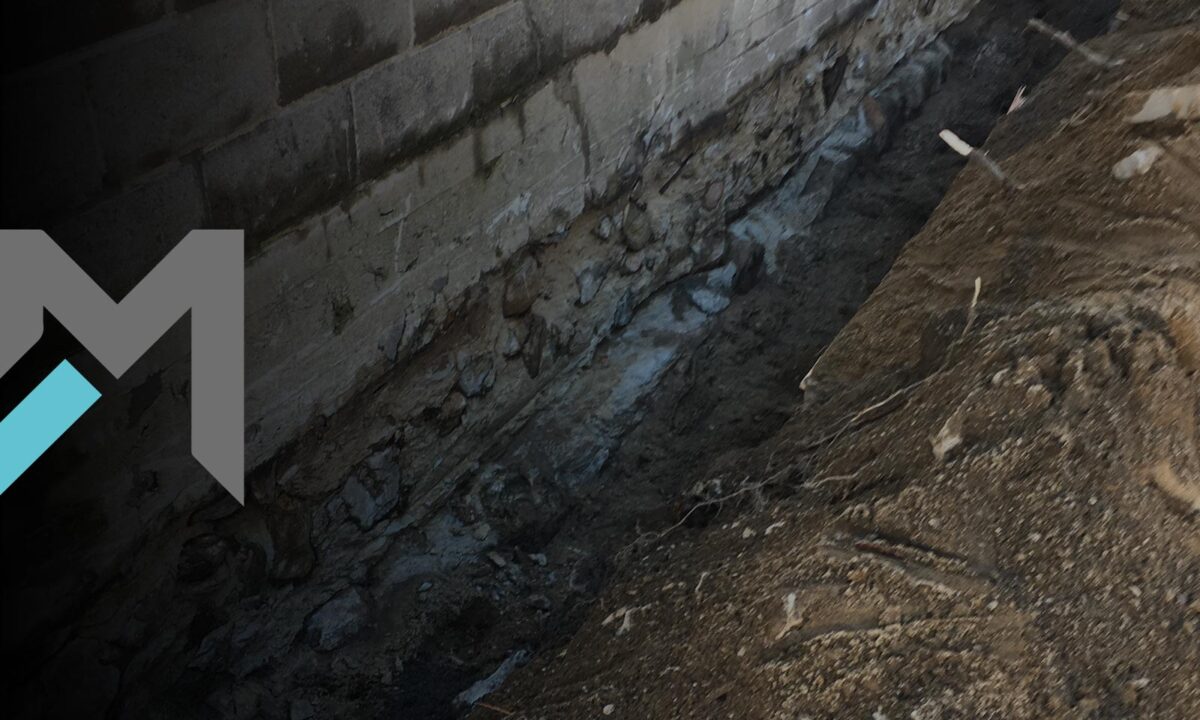
What Homeowners Need To Know About French Drain Basement Waterproofing
Basement water problems are one of the most common and most frustrating issues homeowners face in Montreal and across Quebec. From damp walls and musty odors to visible leaks and foundation damage, water intrusion can compromise your home’s structural integrity, indoor air quality, and long-term value.
While many homeowners assume basement waterproofing simply means sealing cracks or applying waterproof paint, those solutions often fail to address the true source of the problem. In many cases, French drain basement waterproofing is the most reliable and long-lasting way to keep basements dry because it tackles water where it starts: in the soil around your foundation.
In this guide, Marco Foundation explains how French drain systems work, why they are so effective, the differences between interior and exterior systems, costs, and what homeowners should consider before moving forward.
Why Basement Water Problems Are So Common in Montreal Homes
Montreal’s climate presents unique challenges for foundations. Heavy rainfall, snow accumulation, spring thaw, freeze-thaw cycles, and fluctuating groundwater levels all contribute to excess moisture around foundations.
As discussed in our article on underground water tables in Montreal, high groundwater levels can place constant pressure on foundation walls, forcing water through even the smallest cracks. Without proper drainage, this pressure builds up and eventually leads to leaks, cracks, mold growth, and structural deterioration.
What Is French Drain Basement Waterproofing?
French drain basement waterproofing is a drainage-based solution designed to prevent water from accumulating in the soil surrounding your foundation. Instead of trying to block water after it enters your basement, a French drain system collects and redirects groundwater away from your home before it can cause damage.
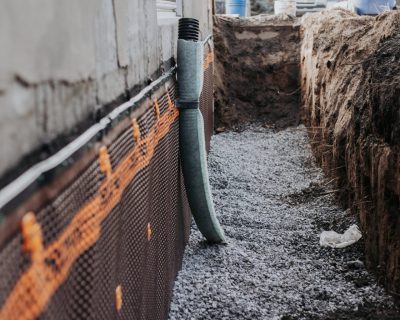
This method relies on a perforated pipe installed along the foundation perimeter, surrounded by gravel. The pipe captures excess water and channels it away using gravity or a sump pump system.
French drains are also known as:
Drain tile
Weeping tile
Perimeter drain
Footing drain
Foundation drain
Today, French drains are considered a best practice in foundation waterproofing, and most new homes in Quebec are built with exterior drainage systems for this reason.
How French Drains Relieve Hydrostatic Pressure
One of the main reasons French drain systems are so effective is their ability to relieve hydrostatic pressure.
Hydrostatic pressure occurs when water-saturated soil presses against foundation walls. Over time, this pressure forces water through cracks, joints, and porous concrete. In severe cases, it can even cause walls to bow inward or crack. By continuously draining excess water away from the foundation, a French drain system prevents pressure from building up keeping your basement dry and your foundation stable.
Interior vs. Exterior French Drain Systems
There are two primary types of French drain basement waterproofing, each with its own advantages depending on the home’s structure, age, and existing drainage conditions.
Exterior French Drain Waterproofing
An exterior French drain is installed around the outside perimeter of the foundation, at footing level. This system stops water before it ever reaches the foundation walls.
Installation Process:
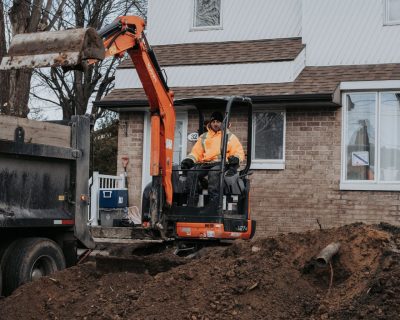
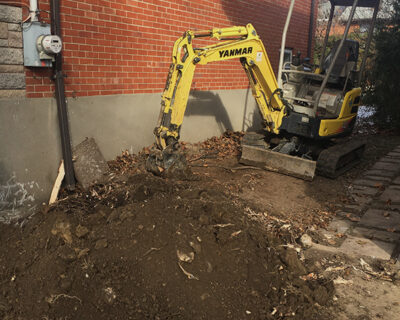
Excavation is performed down to the footing.
A waterproof membrane is applied to the foundation wall.
A protective board is installed over the membrane.
A gravel trench is created along the footing.
A perforated, socked drain pipe is placed in the trench.
The trench is backfilled and soil is replaced.
Exterior systems are highly effective and often preferred for new construction or major foundation restoration projects. However, excavation makes this a more complex and costly option for existing homes.
Interior French Drain Waterproofing
Interior French drains are installed inside the basement, beneath the concrete slab. They intercept water that seeps through the soil under the foundation and redirect it into a sump pit.
Installation Process:
A section of the basement floor is broken using specialized equipment.
A trench is dug along the interior perimeter.
Gravel and a perforated pipe are installed.
The pipe is connected to a sump pump system.
Wall flashing is added to guide moisture downward.
The concrete floor is restored, creating a sealed system.
Interior systems are often recommended for older Montreal homes or when exterior excavation isn’t practical due to landscaping, neighboring buildings, or cost considerations.
French Drains vs. Sealants and Waterproof Paint
Many homeowners initially try waterproof paints or crack sealants to fix basement moisture. While these methods may provide temporary relief, they do not eliminate groundwater pressure.
Waterproof coatings simply attempt to block water after it has already reached the foundation wall. Over time, pressure builds up behind the barrier, causing peeling, cracking, and eventual failure.
This is why French drain systems are often considered the most cost-effective long-term solution.
Signs Your Home May Need a French Drain System
Not sure if French drain basement waterproofing is right for your home? Common warning signs include:
Persistent basement dampness
Water pooling along basement walls
Musty odors or visible mold growth
Efflorescence (white powder on concrete walls)
Foundation cracks
Water infiltration after heavy rain or snowmelt
Basement moisture can quickly lead to mold problems, which affect both health and property value. Learn more about basement mold risks.
How Much Does French Drain Basement Waterproofing Cost?
The cost of installing a French drain system depends on several factors, including:
Interior vs. exterior installation
Home size and foundation depth
Soil conditions
Accessibility
Additional repairs required
Because every foundation is unique, a professional inspection is essential. Marco Foundation provides transparent assessments so homeowners understand what they’re paying for and why.
For a breakdown of foundation repair pricing and what to expect, read: Foundation repair estimate
Additional Ways to Keep Water Away From Your Foundation
French drains work best when combined with good exterior water management. Homeowners can further reduce moisture risks by:
Maintaining Gutters and Downspouts
Clogged or damaged gutters allow water to pool near the foundation.
Installing Downspout Extensions
Short downspouts can dump water directly beside foundation walls.
Proper Landscaping and Grading
The ground around your home should slope away from the foundation.
Seasonal Inspections
Regular inspections help catch issues early especially before winter and spring thaw.
Why French Drains Are a Smart Long-Term Investment?
Ignoring basement water problems can lead to expensive repairs, reduced home value, and health concerns. As explained in our article on the real cost of ignoring foundation problems, early intervention saves money and stress. French drain basement waterproofing doesn’t just manage symptoms it eliminates the cause, making it one of the most reliable solutions available for Montreal homeowners.
Trust Marco Foundation for Expert Basement Waterproofing
At Marco Foundation, we understand the unique challenges Quebec homes face from aging foundations to extreme weather conditions. Our experienced team designs customized French drain solutions that protect your foundation, prevent water damage, and provide long-term peace of mind.
If you’re experiencing basement moisture or want to proactively protect your home, contact Marco Foundation today for a professional inspection and expert guidance.
FAQs
1. What is a French drain system?
A. A French drain is a drainage solution that redirects groundwater away from your foundation to prevent basement flooding and moisture buildup.
2. Does a French drain stop basement leaks permanently?
A. Yes, when properly installed, a French drain provides long-term protection by managing water pressure around your foundation.
3. Is an interior or exterior French drain better?
A. Both are effective; interior drains manage water after it enters, while exterior drains prevent water from reaching the foundation in the first place.
4. How long does French drain installation take?
A. Most residential French drain installations can be completed within 2 to 5 days, depending on the basement size and system type.
5. Do French drains require maintenance?
A. Minimal maintenance is needed, but periodic inspections help ensure the system remains clear and functions properly.