
Foundation Warning Signs Every Homeowner Should Never Ignore
Your home’s foundation is literally what everything else depends on. Walls, floors, plumbing, windows, and even your roof rely on a stable foundation to remain secure. Yet foundation problems often begin subtly, making them easy to dismiss until the damage becomes expensive and disruptive.
In Montreal and across Quebec, foundations face unique stresses. Freeze-thaw cycles, spring snowmelt, underground water tables, and aging construction all contribute to foundation movement over time. Knowing the early warning signs of foundation trouble can help you act before small issues escalate into major structural repairs.
Why Foundation Problems Often Go Unnoticed
Foundation damage rarely happens overnight. It develops gradually as soil shifts, moisture builds up, or materials weaken. Many homeowners assume cracks or minor changes are part of normal settling, especially in older homes.
While some settling is expected, persistent or worsening symptoms usually point to underlying foundation movement. Understanding the difference is key, which is why recognizing early signs matters so much.
1. Cracks in Walls, Floors, or Foundation Walls
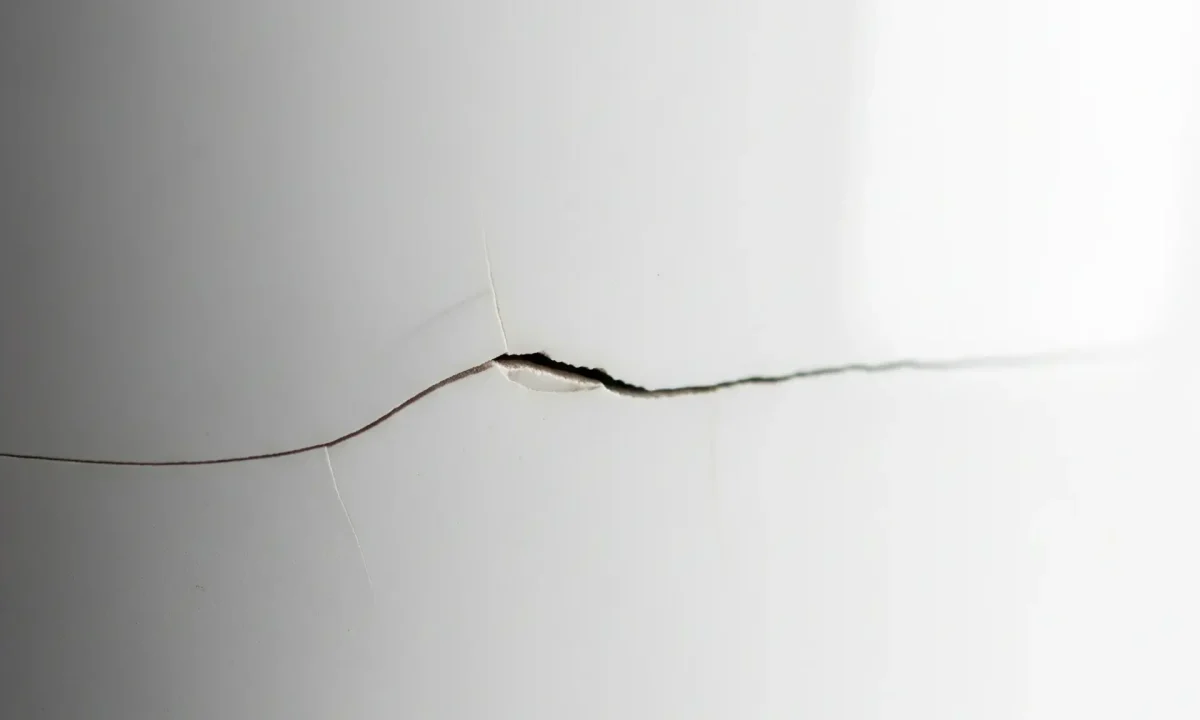
Cracks are often the first visible indicator of foundation stress. Not all cracks signal serious problems, but their size, direction, and location can tell you a lot.
What to Watch For:
Diagonal cracks extending from doors or windows
Horizontal cracks in basement foundation walls
Stair-step cracks in brick or masonry
Cracks that widen over time
Hairline surface cracks can be cosmetic, but expanding or uneven cracks often indicate foundation shifting. If you’re unsure whether cracks are serious, this guide on foundation cracks: when to worry and when to relax offers helpful clarity.
2. Doors and Windows That Stick or Won’t Close Properly
When a foundation moves, the framing of your home moves with it. One of the most noticeable effects is misaligned doors and windows.
Common Signs:
Doors that drag on the floor
Windows that are hard to open or won’t stay open
Latches that no longer line up
Gaps forming around frames
These issues often get blamed on humidity or aging hardware, but when multiple doors or windows are affected, foundation movement is frequently the underlying cause.
3. Uneven, Sloping, or Bouncy Floors
Your floors should feel solid and level. If they don’t, your foundation or the support structure beneath it may be compromised.
Warning Signs Include:
Floors that slope noticeably in one direction
Soft or bouncy spots when walking
Separation between flooring and baseboards
These symptoms are common in homes with foundation settlement or moisture-related structural weakening. Over time, uneven floors can place additional stress on walls and ceilings.
4. Gaps Between Walls, Ceilings, and Floors
Foundation movement doesn’t stop at the basement. As the structure shifts, joints throughout the home can begin to separate.
Look For:
Gaps between walls and ceilings
Crown molding pulling away
Baseboards separating from walls
Cabinets detaching slightly from walls
These gaps often signal more advanced foundation movement and should not be ignored. They tend to worsen as seasonal changes continue.
5. Basement Moisture, Water Seepage, or Flooding
Water problems are both a warning sign and a cause of foundation damage. Cracks, weakened concrete, and hydrostatic pressure allow moisture to enter your basement.
Common Indicators:
Damp basement walls or floors
Water stains or efflorescence (white powdery residue)
Musty odors
Active leaks during heavy rain
Hydrostatic pressure plays a major role in basement water issues. Learn how it works in understanding hydrostatic pressure and its role in basement water leaks.
If left unaddressed, moisture intrusion can accelerate foundation deterioration and lead to mold growth.
6. Mold or Persistent Musty Smells
Mold is often a symptom of ongoing moisture problems tied to foundation cracks or poor drainage. Even if mold isn’t immediately visible, musty odors can signal hidden moisture behind walls or under flooring.
Basement mold not only damages materials but can also impact indoor air quality. This issue is explored further in mold in the basement.
7. Cracks in Exterior Brick or Masonry
Exterior cracks are just as important as interior ones. Brick and masonry tend to crack in distinct stair-step patterns when foundations shift.
Pay Attention To:
Stair-step cracks in brick walls
Gaps between bricks and mortar
Exterior cracks that mirror interior wall cracks
These signs suggest uneven foundation movement and should be professionally assessed.
8. Poor Drainage and Downspout Issues
Water management around your home plays a huge role in foundation health. When downspouts discharge too close to the foundation or grading slopes inward, water accumulates where it shouldn’t.
Over time, excess moisture weakens soil and increases pressure on foundation walls. Learn more in are your downspouts damaging your foundation?.
9. Foundation Issues After Renovations
Home renovations especially in older Montreal homes can expose or worsen foundation problems. Added weight, altered drainage, or structural changes can stress an already vulnerable foundation.
If issues appear after a renovation, they shouldn’t be ignored. This topic is covered in detail in foundation woes after renovations.
Why Quebec Homes Are Especially Vulnerable
Montreal’s climate creates challenging conditions for foundations:
Freeze-thaw cycles cause concrete expansion and contraction
Spring snowmelt saturates soil
Underground water tables increase hydrostatic pressure
Older construction materials may lack modern waterproofing
These factors make early detection especially important for Quebec homeowners.
How Foundation Problems Affect Property Value
Foundation warning signs don’t just affect comfort they affect your home’s value. Buyers are cautious, inspections are thorough, and unresolved foundation issues can lead to:
Lower offers
Repair demands
Delayed or failed sales
Understanding and addressing issues early protects your investment and strengthens your negotiating position.
What to Do If You Notice Foundation Warning Signs
If you spot one or more of these signs, don’t panic but don’t ignore them either. Foundation problems rarely improve on their own. The best next step is a professional foundation inspection to determine:
Whether movement is active or stable
What’s causing the issue
What repair or prevention options are available
Early intervention is almost always less disruptive and more cost-effective than waiting.
Protect Your Home by Acting Early
Foundation warning signs are your home’s way of asking for attention. Cracks, uneven floors, moisture, and misaligned doors are not just cosmetic problems they’re indicators of structural stress beneath the surface.
At Marco Foundation, identifying and addressing foundation issues early helps homeowners avoid extensive repairs, preserve property value, and maintain long-term structural stability. If your home is showing signs of foundation trouble, a timely inspection can make all the difference.
FAQs
1. Are all foundation cracks a serious problem?
A. No, not all cracks indicate major foundation issues. Small hairline cracks can result from normal settling. However, wide, horizontal, diagonal, or expanding cracks may signal foundation movement and should be professionally inspected.
2. Can foundation problems get worse if ignored?
A. Yes. Foundation issues typically worsen over time due to ongoing soil movement, moisture intrusion, and seasonal temperature changes. Ignoring early warning signs often leads to more extensive structural damage and higher repair costs.
3. How do I know if sticking doors and windows are caused by foundation issues?
A. If multiple doors or windows stick, won’t close properly, or have visible frame gaps—especially alongside cracks or uneven floors—foundation movement is a likely cause rather than humidity or normal wear.
4. Is basement moisture always related to foundation damage?
A. Basement moisture is often linked to foundation cracks, poor drainage, or hydrostatic pressure. While condensation can cause minor dampness, persistent leaks or water stains usually point to foundation or waterproofing issues.
5. When should I schedule a foundation inspection?
A. You should schedule an inspection as soon as you notice warning signs such as cracks, sloping floors, water intrusion, or gaps in walls. In Quebec’s climate, early inspections help prevent costly damage caused by freeze-thaw cycles and soil movement.


